WebSafety: Parental Controls Meet Platform Limits
I worked on WebSafety features across Java and Objective-C code, including GPS, synchronization, permissions, and platform behavior that wasn't always documented.
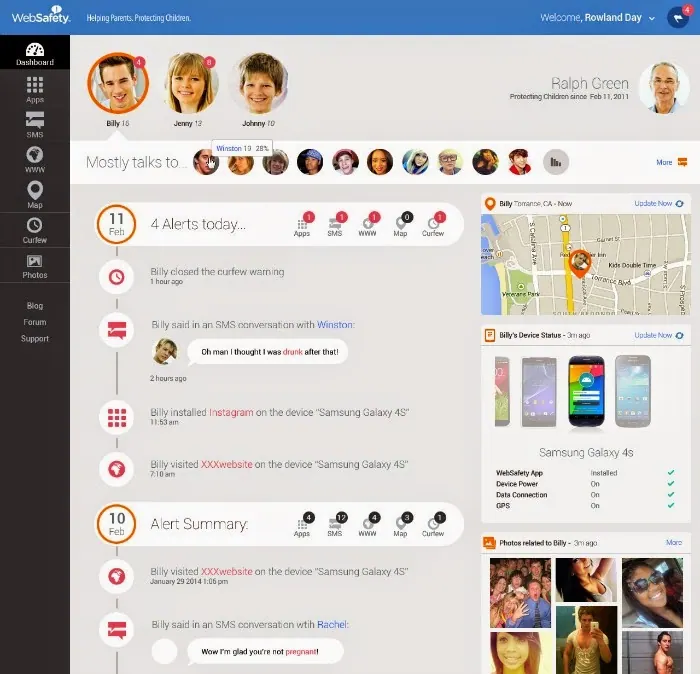
[delivery dossier] 2 sections
The operating system got a vote
WebSafety was a parental-control product, so the requested behavior often ran into rules set by Android or iOS. I worked across Java and Objective-C code with backend dependencies that included AWS S3 and Elasticsearch. Some platform behavior was poorly documented, and some things a parent might reasonably ask for were simply restricted.
I tested those cases against actual platform behavior. My work included GPS and synchronization paths, security-focused features, and permission-sensitive behavior. Background execution, delayed network access, and device-state changes all affected whether fresh information was available. The backend could only work with data the device was permitted to collect and upload.
When an API behaved differently across versions, I had to establish what was actually repeatable before building product behavior on top of it. Sometimes that led to a supported implementation. Sometimes it meant a narrower feature or a fallback that admitted the data was unavailable.
Designing around platform limits
Android and iOS deliberately limit how much control one app can have over a device. I treated those boundaries as part of the product design.
My work covered version-sensitive platform behavior, selected security-sensitive flows, and GPS and synchronization across changing device states. Permission handling and transparent degraded states were as important as the happy path.